 +90 242 349 30 61
 info@zerdatarim.com
 Muratpaşa / Antalya · Serving all of Turkey



5 practical tips for using liquid fertilizer in drip irrigation
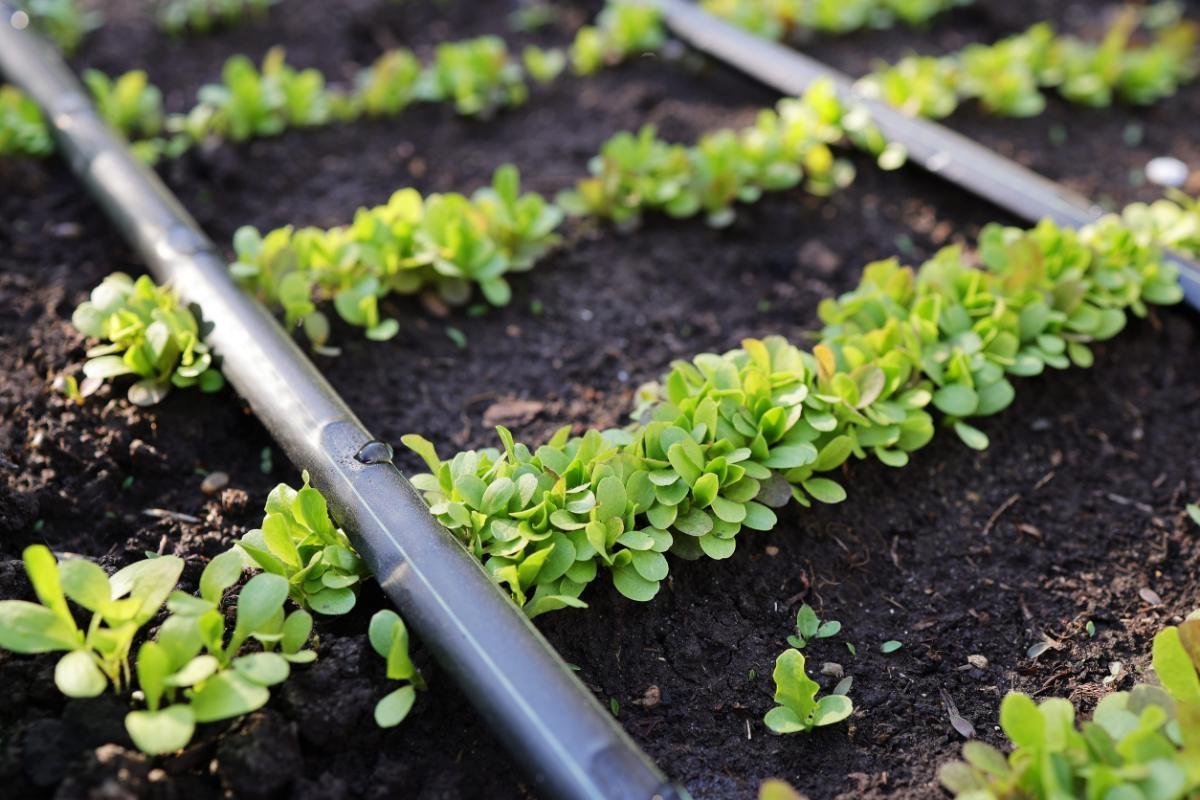
Because drip irrigation delivers water and nutrients directly to the root zone, it achieves high efficiency when used with liquid fertilizers. To maintain this efficiency, there are a few key points to keep in mind.
1. Fill the system with water first
Before you start fertilizing, run the system with water only for a while. This way all lines and emitters reach equal pressure and the fertilizer is distributed evenly across the plot.
2. Apply fertilizer in the middle of the irrigation
As a general practice, divide the irrigation time into three, apply the fertilizer in the middle part and flush the lines with clean water in the last part. This prevents fertilizer residue from building up in the lines.
3. Check mixing compatibility
Fertilizers containing calcium can form precipitates when mixed in the same tank with fertilizers containing sulfate and phosphate. Always check compatibility before mixing different fertilizers; use separate tanks if necessary.
4. Monitor the pH and EC of the water
The pH and salinity of irrigation water directly affect nutrient uptake by the plant. Regularly measuring the pH and EC of the solution protects both the plant and the system.
5. Clean filters and emitters regularly
Clogged emitters lead to uneven nutrition across the plot. Clean the filters regularly and flush the lines periodically.
You can explore our drip-compatible mineral liquid and mineral solid fertilizer groups and consult our specialists about your program.