 +90 242 349 30 61
 info@zerdatarim.com
 Muratpaşa / Antalya · Serving all of Turkey



Why should soil analysis be done every season?
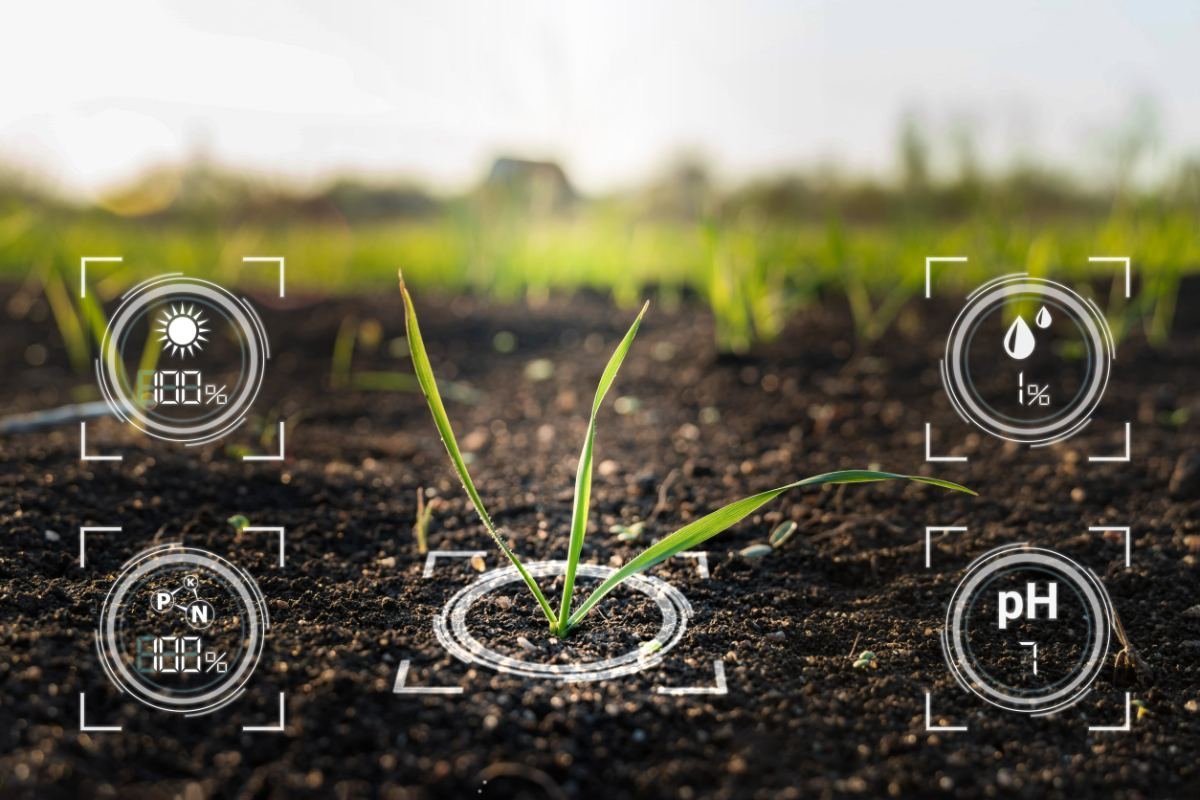
Soil loses nutrients with every harvest; irrigation water, rainfall and applied fertilizers also change its structure from season to season. Building this year's program on last year's results usually means using either too little or too much fertilizer.
What does the analysis show?
A standard soil analysis reveals pH, lime, organic matter, salinity (EC) and the levels of nitrogen, phosphorus, potassium and micronutrients. pH and lime determine how much of the nutrients the plant can take up: even when nutrients are present in the soil, elements such as iron, zinc and manganese may not reach the plant sufficiently at high pH.
Why every season?
- You see how the previous season's fertilization affected the soil.
- Problems such as salinization and pH changes are detected early.
- The fertilizer budget is planned according to actual needs; unnecessary spending is reduced.
- Hidden deficiencies that cause yield and quality loss are caught before symptoms appear.
How should samples be taken?
Samples should be taken before sowing or planting, from root-zone depth and from different points of the field, then mixed into a single sample. Separate samples should be prepared for plots with different soil structures.
By reviewing your analysis results together with our agricultural engineers, you can create a fertilization program suited to your crop and soil.